
Why Your Inbox Feels Slower Over Time (And How Modern Email Systems Really Work)
At first, email feels instant. Messages arrive quickly, notifications appear immediately, and everything feels smooth. But over time, many users notice something strange: their inbox feels slower, more cluttered, and harder to manage—even if nothing has technically changed.
Email Was Never Designed for Modern Volume
Email was created in a time when digital communication was simple and limited. Today, the average user receives messages from social platforms, apps, banks, shopping sites, newsletters, and automated systems all at once.
This explosion of communication creates a constant stream of data that your inbox has to sort, filter, and prioritize in real time.
What Actually Happens When an Email Arrives
When someone sends you an email, it doesn’t just appear instantly in your inbox. It passes through multiple systems:
- Spam and security filtering
- Domain verification checks
- Server routing and authentication
- Inbox categorization (primary, promotions, updates)
Each step adds processing time, especially when email services detect high traffic or suspicious patterns.
Why Your Inbox Feels “Cluttered”
The feeling of a slow inbox is often not about speed—it’s about overload. When too many emails arrive daily, your brain perceives the system as less responsive, even if delivery is fast.
Promotional emails, automated alerts, and low-priority notifications make it harder to find important messages quickly.
The Role of Email Exposure
The more websites you register with, the more your email is distributed across different systems. Each platform may send updates, promotions, or reminders independently.
This is why users who sign up frequently across multiple services often experience heavier inbox activity over time.
Smarter Email Management Is Becoming Essential
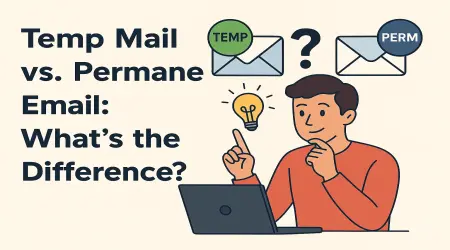
Modern internet users are starting to separate their email usage based on purpose. Important accounts stay on a stable email identity, while short-term registrations are handled differently depending on the need.
For example, services like Temp Mail are often used for quick signups where long-term communication is not required.
When Temporary Email Helps Reduce Inbox Load
- Testing new apps or platforms
- Downloading free resources
- Accessing one-time content
- Signing up for short-term trials
- Joining communities briefly
Using a temporary email in these cases can reduce long-term inbox clutter.
When You Should Avoid It
Not all services are suitable for temporary email usage. Long-term platforms depend on consistent communication and account recovery options.
- Banking and financial services
- Online shopping accounts
- Cloud storage platforms
- Work and professional tools
The Future of Inbox Intelligence
Email providers are increasingly using AI systems to categorize messages, detect spam, and prioritize important content. Over time, inboxes may become more automated, but user behavior still plays a major role in overall performance.
A cleaner, more intentional approach to email usage will remain important even as technology improves.
Frequently Asked Questions (FAQ)
Why does my inbox feel slower even if emails arrive fast?
Because overload, not speed, creates the perception of slowness. Too many messages make it harder to find important emails quickly.
What happens when I receive an email?
Emails pass through spam filters, authentication checks, server routing, and categorization before reaching your inbox.
Why do I get so many promotional emails?
Many websites send marketing emails after registration or share your email within their partner network based on their privacy policies.
How does email exposure affect inbox performance?
More exposure leads to more subscriptions, updates, and notifications, increasing overall inbox volume.
What is a temporary email used for?
A temporary email is used for short-term signups where long-term communication is not required.
Can using Temp Mail reduce inbox clutter?
Yes. It helps separate short-term registrations from your primary inbox.
Is it safe to use temporary email services?
They are safe for low-risk activities but should not be used for banking or important accounts.
Why do inboxes get more cluttered over time?
Because users gradually sign up for more services, each adding its own communication stream.
Will AI fix inbox overload in the future?
AI will improve sorting, but user habits will still determine how clean an inbox remains.
What is the best way to manage email long-term?
Separate important accounts from temporary signups and regularly clean unused subscriptions.