Why Websites Are Increasingly Blocking Temporary Emails (And What It Means for Users)
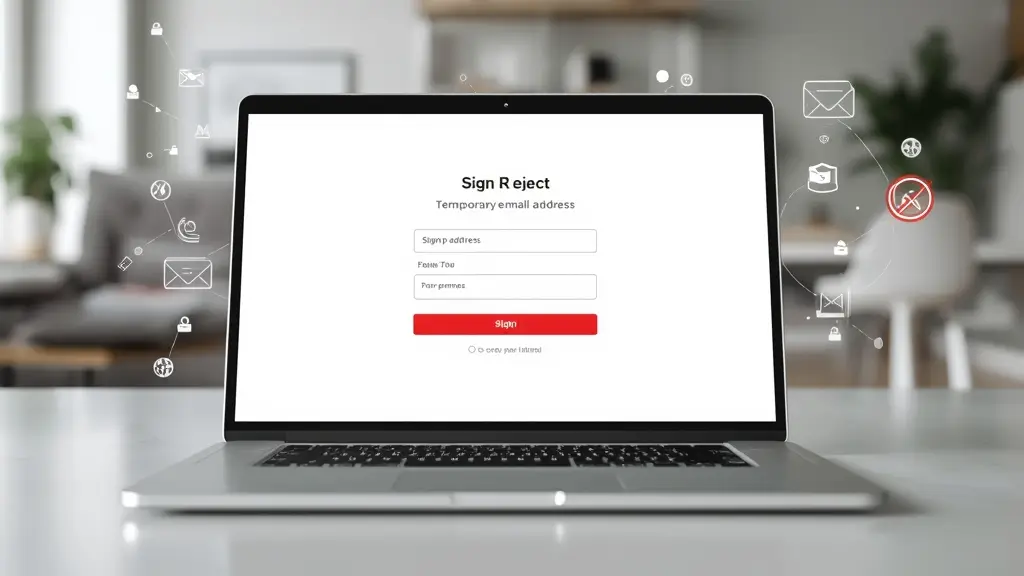
Over the past few years, many websites have started tightening their registration systems. One noticeable change is the growing number of platforms that block temporary or disposable email addresses during sign-up. This trend is driven by security concerns, spam prevention, and the need to maintain user trust across digital platforms.
Why Companies Block Temporary Emails
Temporary email services are designed for short-term use, often allowing users to receive verification links without revealing a personal inbox. While this can be helpful for privacy and testing, it also creates challenges for website operators.
Many platforms rely on email addresses for account recovery, fraud prevention, and long-term user engagement. When disposable emails are used, it becomes harder for companies to verify real users or maintain communication after account creation.
Security and Abuse Prevention
One of the main reasons websites block temporary email domains is to reduce abuse. Fake accounts can be used for spam, fake reviews, referral fraud, or repeated free-trial exploitation.
By filtering known disposable email domains, platforms attempt to create a safer environment and ensure that users are more accountable for their activity.
The Privacy vs Convenience Balance
There is an ongoing balance between user privacy and platform security. On one hand, users want to protect their personal inbox from spam and unnecessary exposure. On the other hand, websites want reliable communication channels for account management and security alerts.
This tension is why some services still allow temporary emails while others actively block them.
How Users Are Adapting
As restrictions increase, users are finding new ways to manage online registrations. Some choose to use secondary email accounts instead of disposable services, while others carefully decide when to use temporary emails and when to use permanent ones.
Services like Temp Mail are still used in situations where quick verification is needed, but users are increasingly selective about where they apply them.
When Temporary Email Still Works
- Testing new websites or apps.
- Accessing short-term content or downloads.
- Joining forums or communities for a single visit.
- Signing up for one-time events or promotions.
- Trying services that do not require long-term access.
In these cases, a temporary email can still be useful if the website does not block it.
When You Should Avoid Temporary Emails
Some accounts require long-term reliability, and using disposable emails can create problems later if you need password recovery or account verification.
- Banking and financial services.
- E-commerce accounts with purchase history.
- Cloud storage and productivity tools.
- Government or legal portals.
- Subscription-based software services.
For these services, a permanent email address is always recommended.
The Future of Email Registration Systems
As digital platforms become more advanced, email verification systems are also evolving. Some websites now combine email checks with phone verification, device fingerprinting, and AI-based fraud detection.
This means the gap between disposable and permanent email usage may continue to narrow as platforms focus more on identity verification and security.
Frequently Asked Questions
Why do websites block temporary emails?
Websites block temporary emails mainly to prevent spam, fake accounts, abuse of free trials, and fraudulent activity.
Is using a temporary email illegal?
No, using a temporary email is generally legal, but users must follow the rules of the websites they sign up for.
Can all websites detect disposable emails?
No. Some websites maintain updated blocklists of known disposable domains, while others do not filter them.
Why do some temporary emails still work?
Not all services maintain strict detection systems, so some temporary email domains may still pass verification on certain websites.
What is the safest email to use for important accounts?
A permanent, secure email address that you control long-term is best for banking, shopping, and sensitive accounts.
Can I switch from temporary email to permanent email later?
Some services allow you to update your email address in account settings, but not all platforms support this.
How can I reduce spam without using temporary email?
You can use email filters, unsubscribe from newsletters, avoid sharing your email publicly, and review account permissions regularly.