Why More People Are Separating Their Main Email From Everyday Sign-Ups
Every online account begins with an email address. Whether you're downloading a new app, joining a discussion forum, requesting a discount coupon, or trying a free online service, your inbox often becomes the first point of contact. Over time, that single email address can collect newsletters, promotional campaigns, verification messages, and unwanted marketing emails from hundreds of websites.
As concerns about digital privacy continue to grow, many internet users are changing a simple habit: instead of using the same email address everywhere, they are separating personal communication from temporary online registrations. This approach helps keep important emails organized while reducing unnecessary exposure of a primary inbox.
Why Your Main Inbox Gets Overloaded
Many websites require an email address before allowing access to their services. While some only send essential account notifications, others also deliver newsletters, promotional offers, reminders, surveys, and advertising emails. Even after unsubscribing, users may continue receiving messages if they have registered with multiple related services.
The result is an inbox filled with content that makes important emails harder to find. Password reset messages, banking alerts, work communication, and personal conversations can become buried beneath promotional emails.
The Growing Focus on Email Privacy
Privacy is no longer just a topic for cybersecurity professionals. Everyday internet users are becoming more aware of how personal information is collected and shared online. Email addresses are often one of the first pieces of personal data requested during registration.
Limiting where a primary email address is shared can reduce unnecessary exposure and make it easier to manage online accounts. It also gives users greater control over which companies can contact them in the future.
When Separating Email Addresses Makes Sense
- Signing up for free trials.
- Downloading ebooks or software.
- Accessing online forums.
- Testing new web applications.
- Participating in online giveaways.
- Registering for one-time events.
- Joining websites you may never use again.
Using separate email addresses for different purposes helps keep long-term accounts distinct from temporary online activity.
Good Habits That Improve Email Security
- Use strong and unique passwords.
- Enable two-factor authentication whenever available.
- Review connected accounts regularly.
- Delete accounts you no longer use.
- Avoid clicking links from unexpected emails.
- Keep recovery information up to date.
These simple habits improve both privacy and overall account security.
Reducing Digital Clutter
An organized inbox is more than a convenience. It allows important messages to be found quickly and reduces the chances of missing time-sensitive notifications. Separating everyday registrations from long-term communication creates a cleaner workflow for both personal and professional use.
Many people discover that inbox management becomes much easier once they stop using the same email address for every online service.
Understanding Temporary Email Services
Temporary email services provide disposable inboxes that can receive verification emails without requiring users to share their primary address. They are commonly used for short-term registrations, software testing, and situations where long-term communication is unnecessary.
However, temporary email services are not suitable for accounts that require ongoing access, password recovery, or important notifications. Services such as banking, healthcare, government portals, or long-term business accounts should always use a permanent email address that only you control.
Choosing the Right Email for the Right Situation
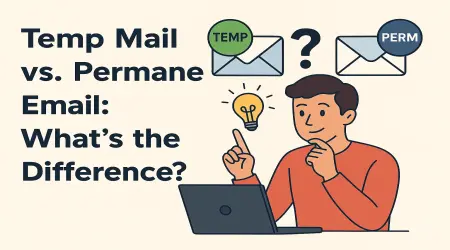
There is no single solution that fits every online activity. A permanent email remains essential for important personal and financial accounts, while disposable addresses can be useful for temporary registrations where future communication is not expected.
The goal is not simply avoiding spam. It is creating a more organized, secure, and manageable digital life by deciding which information truly belongs in your primary inbox.
Frequently Asked Questions
Why should I avoid using my primary email for every website?
Using your primary email everywhere increases the number of companies that have access to your contact information, which may lead to more promotional emails and a cluttered inbox.
What is a temporary email?
A temporary email is a disposable email address designed for short-term use. It can receive verification emails without exposing your main email address.
Is a temporary email safe?
Temporary email services can be useful for low-risk registrations, but they should not be used for accounts that contain sensitive personal or financial information.
When should I use my permanent email instead?
Use your permanent email for banking, shopping accounts, government services, healthcare providers, work communication, and any account that you may need to recover in the future.
Can separating email addresses improve online privacy?
Yes. Using different email addresses for different purposes limits unnecessary sharing of your primary contact information and makes inbox management easier.
Will this completely stop spam emails?
No method can eliminate spam entirely, but sharing your primary email less frequently can significantly reduce unwanted messages over time.
What are the benefits of keeping a clean inbox?
A cleaner inbox makes it easier to find important emails, reduces distractions, and lowers the risk of missing critical account notifications or security alerts.