Why “Free Internet Services” Are Rarely Truly Free (The Hidden Exchange Behind Every Signup)
Almost every day, we see offers that promise something for free: free apps, free trials, free tools, free downloads, and free online services. But in the digital world, “free” rarely means without cost. Instead, users often pay with something less visible than money—data, attention, and long-term exposure.
The Real Business Model Behind Free Services
Most online platforms don’t generate revenue directly from users paying upfront. Instead, they rely on indirect models such as advertising, data analytics, subscriptions after trials, or partner marketing.
When you sign up for a free service, you are often entering an ecosystem where your usage patterns, preferences, and engagement become part of the product.
What You “Pay” Without Realizing It
Even if no money is charged, free services may still collect or influence valuable user data:
- Email addresses used for marketing campaigns
- Behavior tracking across pages or apps
- Engagement data like clicks and time spent
- Device and browser identifiers
This information helps companies improve targeting, personalize content, or sell advertising space more effectively.
Why Email Is at the Center of Everything
Email remains one of the most important digital identifiers. It connects accounts, verifies identities, resets passwords, and delivers updates. Because of this, it is also one of the most valuable data points collected by online services.
Once your email is shared, it often becomes part of a long-term communication channel between you and the service provider.
The Trade-Off Users Don’t Always Notice
The convenience of instant access often hides the long-term impact of registration. After signing up for multiple services, users may start receiving promotional emails, reminders, and offers that continue long after the initial use.
This is why inboxes often become crowded over time, even if users don’t actively subscribe to newsletters.
Smarter Ways Users Are Managing Online Access
Many internet users now separate their digital activity based on importance. Critical services use a stable email identity, while short-term or experimental signups are handled differently.
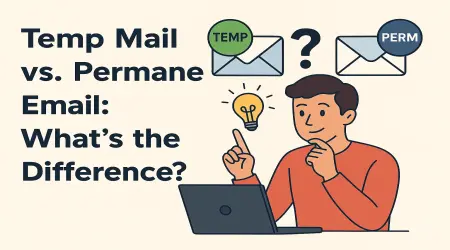
For example, services like Temp Mail are sometimes used for quick registrations where long-term communication is not needed.
When Temporary Email Becomes Useful
- Trying new apps or platforms
- Downloading free resources or files
- Accessing short-term tools or trials
- Joining communities briefly
- Exploring services without commitment
A temporary email can help reduce inbox clutter in these scenarios.
When You Should Avoid It
- Financial accounts and banking
- Shopping and order tracking systems
- Work-related communication
- Cloud storage or subscription services
- Identity-based platforms
These services require reliable, long-term access and secure communication channels.
The Future of “Free” Services
As digital ecosystems evolve, transparency around data usage is improving, but the core model remains similar. Free access is exchanged for engagement, attention, or data insights.
Understanding this exchange helps users make more informed decisions about what they sign up for online.
Frequently Asked Questions (FAQ)
Are free online services really free?
Most free services are funded through advertising, data collection, or future paid upgrades rather than direct payment.
Why do free apps ask for email addresses?
Email addresses are used for account creation, user tracking, marketing, and communication.
What is the hidden cost of free services?
The hidden cost often includes user data, attention, and exposure to marketing messages.
Why is email important for free services?
Email is used for identity verification, communication, and long-term user engagement.
What is a temporary email used for?
A temporary email is used for short-term signups where ongoing communication is not needed.
Can free services sell my data?
Some services may share or monetize anonymized user data depending on their privacy policy.
Is it safe to use free apps?
Yes, but users should always review permissions and privacy policies before signing up.
Why do free trials require payment details sometimes?
Some services use payment details to prevent abuse and automatically transition users into paid subscriptions.
How can I reduce spam from free services?
Use separate emails for signups, unsubscribe from marketing lists, and avoid over-sharing your primary email.
What is the best way to protect online privacy?
Be selective about where you share personal data, use strong passwords, and separate important accounts from temporary signups.