
What Happens When You Use the Same Email Everywhere Online?
Most people don’t think twice before entering their email address on a new website. It feels harmless—just a quick signup step to access content, download an app, or create an account. But over time, using the same email everywhere creates a digital footprint that is larger, more exposed, and harder to control.
The Hidden Problem Behind “One Email for Everything”
Every time you register on a website, your email becomes part of that platform’s database. While some companies use it only for essential communication, others send marketing emails, promotional offers, or updates that continue long after you stop using the service.
When dozens or even hundreds of websites have your email address, your inbox becomes a central point of contact for advertising, alerts, newsletters, and notifications you may not actually want.
How Email Sharing Leads to Inbox Overload
At first, the impact is small. A few extra emails per week seem manageable. But as registrations accumulate, inbox clutter grows. Important messages—like password resets, banking alerts, or work communication—can get buried under less relevant content.
This overload doesn’t just waste time. It also increases the risk of missing critical emails.
Why Privacy Experts Recommend Separation
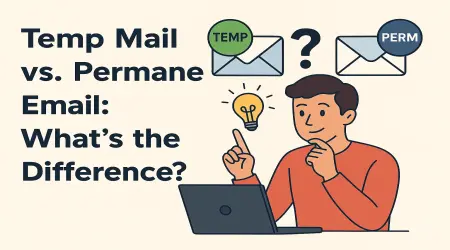
Many privacy-conscious users now separate their online activity into categories. Instead of using one email for everything, they divide usage between important accounts and short-term registrations.
For temporary signups, services like Temp Mail help reduce exposure of a primary inbox while still allowing quick access to verification emails.
When Using a Single Email Still Makes Sense
- Banking and financial accounts.
- Work or professional communication.
- Long-term subscriptions you actively use.
- Government and legal services.
- Educational platforms and certifications.
These accounts require stability, recovery options, and long-term access, making a permanent email address the right choice.
When a Temporary Email Is More Practical
- Testing a new website or app.
- Downloading free resources or files.
- Joining forums or communities briefly.
- Signing up for limited-time offers.
- Accessing one-time downloads or trials.
In these cases, a temporary email helps keep your main inbox clean and focused.
Risks of Overexposing Your Email Address
The more places your email appears, the higher the chances it may be exposed through data breaches or shared marketing lists. While not every exposure leads to harm, it increases your overall digital risk profile.
It also becomes harder to track which companies have your data and how it is being used.
Frequently Asked Questions (FAQ)
Why is it bad to use the same email everywhere?
Using the same email everywhere increases spam, reduces privacy, and makes it harder to manage important messages.
Can using one email cause more spam?
Yes. Each website you register with may send promotional emails or share your address with partners depending on their privacy policy.
What is a temporary email used for?
A temporary email is used for short-term registrations like testing websites, downloading content, or signing up for one-time services.
Is it safe to use temporary email services?
They are generally safe for low-risk activities, but not recommended for banking, shopping, or accounts that require long-term access.
Can websites detect temporary emails?
Some websites use blocklists or detection tools to identify and restrict known disposable email domains.
What happens if I lose access to a temporary email?
You may lose access to account recovery links or verification emails tied to that address, so it should only be used for non-essential accounts.
How can I reduce spam without changing email providers?
You can unsubscribe from emails, use filters, avoid sharing your email publicly, and limit where you register your primary address.
Is it better to have multiple emails?
Yes. Many users maintain separate emails for personal use, work, and temporary registrations for better organization and privacy.
Does deleting an account remove my email from a website?
Not always. Some websites retain data for legal or operational reasons even after account deletion.
Can my email be sold to advertisers?
Some services share or sell user data depending on their privacy policy, which is why reading terms before signing up is important.
How does email exposure affect security?
Wider exposure increases the risk of phishing attempts, spam, and potential targeting in data breaches.
What is the safest way to sign up for new websites?
Use a permanent email for trusted services and a temporary email for short-term or low-risk registrations.