The Hidden Cost of Giving Every Website Your Email Address
Most people think of an email address as a simple login credential. In reality, it has become one of the most valuable pieces of personal information shared online. Every newsletter subscription, free download, online contest, or account registration adds another organization to the growing list of companies that can contact you.
While many businesses communicate responsibly, others may send frequent marketing emails, share customer information according to their privacy policies, or continue promotional campaigns long after you've lost interest. Understanding how your email is used is an important step toward maintaining better digital privacy.
Why Your Email Address Matters
Your email address often serves as the identity behind your online accounts. It connects shopping websites, social platforms, productivity tools, streaming services, newsletters, and countless other digital experiences.
Once shared widely, your inbox can become a destination for promotional offers, account reminders, survey requests, and marketing campaigns that make important messages more difficult to find.
How Online Registrations Add Up
Think about how many websites you've joined over the past few years. Many of them were probably used only once. Even so, those accounts may continue sending emails for months or even years unless you manually unsubscribe or close the account.
Over time, this creates unnecessary digital clutter that affects productivity and increases the chances of overlooking important notifications.
Building Better Email Habits
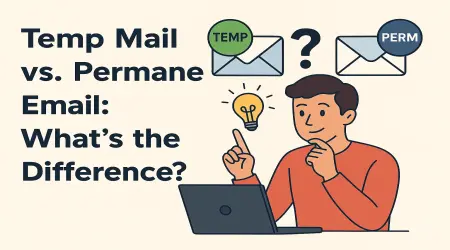
Many privacy-conscious internet users now separate their online activities by purpose. Important services continue using a permanent email address, while short-term registrations are handled differently depending on the situation.
Services like Temp Mail can be useful when registering for websites that only require a verification email and are unlikely to need future communication. This helps reduce unnecessary exposure of a primary inbox while keeping essential accounts separate.
When a Temporary Email Makes Sense
- Trying a new online service.
- Downloading a free resource.
- Joining a webinar or online event.
- Testing software before deciding to keep it.
- Accessing community forums.
- Registering for one-time promotions.
Using temporary email solutions in these situations helps organize online registrations without mixing them with long-term personal communication.
Situations That Require Your Permanent Email
Not every account should use a disposable address. Some services are designed for long-term relationships and ongoing communication.
- Banking and financial services.
- Government accounts.
- Healthcare providers.
- Employment platforms.
- Business communication.
- Shopping accounts with purchase history.
For these services, always use an email address that you own and can access in the future.
Small Privacy Decisions Make a Big Difference
Improving online privacy doesn't always require advanced technical knowledge. Small habits—such as reviewing account permissions, deleting unused accounts, using strong passwords, and limiting where your primary email is shared—can significantly improve digital organization.
Many users also rely on disposable email services for temporary registrations while reserving their permanent inbox for communication that truly matters.
Keeping Your Inbox Focused
A clean inbox is easier to manage and reduces distractions throughout the day. Instead of spending time deleting unwanted messages, users can focus on important conversations, account notifications, and personal communication.
Thoughtful email management is becoming an essential part of modern digital life, especially as more services compete for users' attention through email marketing.
Frequently Asked Questions
Why do websites ask for an email address?
Most websites use email addresses for account verification, password recovery, security notifications, and communication with users.
What is a temporary email?
A temporary email is a disposable email address that can receive messages for short-term use without exposing your primary inbox.
Can using a temporary email reduce spam?
Using a temp mail service for short-term registrations may reduce the amount of promotional email sent to your permanent inbox.
Should I use temporary email for banking or shopping?
No. Important accounts that require future access, purchase records, or password recovery should always use a permanent email address.
Is it legal to use a temporary email?
Yes. Using a temporary email is generally legal. However, users should always follow the terms and conditions of the websites they register with.
Can companies detect disposable email addresses?
Some websites maintain lists of known disposable email domains and may block registrations from them, while others accept them without issue.
How can I better protect my online privacy?
Use strong passwords, enable two-factor authentication, regularly review online accounts, and consider using Temp Mail for short-term website registrations when appropriate.