How Websites Decide Whether You Are a “Real User” or a Bot
Every time you sign up for a website, something happens in the background within seconds. Before your account is fully accepted, modern systems quietly try to answer one question: are you a real human or an automated bot?
The Invisible Verification Layer on Modern Websites
Most users think signup forms only check basic things like email format and password strength. In reality, many platforms run advanced verification systems that analyze behavior, patterns, and risk signals before allowing full access.
This process happens instantly and is usually invisible unless something looks suspicious.
What Websites Look At During Signup
To separate real users from bots, websites analyze multiple signals at the same time:
- Typing speed and mouse movement patterns
- IP address reputation and location consistency
- Email domain trust level
- Device fingerprint and browser behavior
- Signup frequency from the same network
None of these factors alone determine access, but together they form a “trust score.”
Why Email Type Can Influence Verification
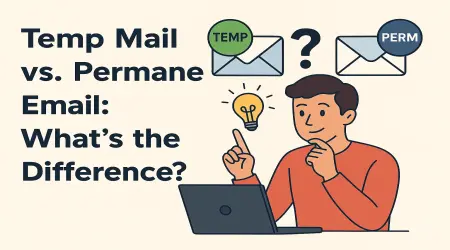
Email addresses play a bigger role than most people realize. Some domains are associated with long-term personal use, while others are frequently linked to short-term or disposable activity.
Because of this, certain websites treat different email types differently during account creation.
Why Bots Are a Real Problem
Bots are not just a technical nuisance. They can create fake accounts, spam systems, abuse free trials, post fake reviews, and overload servers with automated requests.
To protect users and maintain platform stability, websites invest heavily in automated detection systems.
When Real Users Get Flagged by Mistake
Sometimes, real users are incorrectly flagged as suspicious. This can happen due to shared networks, VPN usage, unusual signup patterns, or repeated registrations from the same device.
In these cases, users may face additional verification steps or temporary restrictions.
How Users Adapt to Verification Systems
As detection systems become more advanced, users have also changed how they register online. Many now separate their online identity based on purpose—keeping important accounts stable while using different methods for short-term signups.
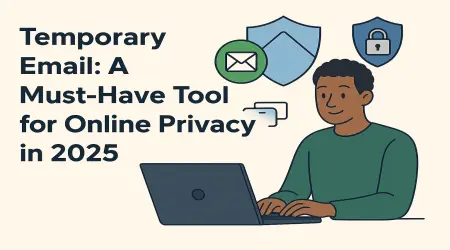
For example, services like Temp Mail are sometimes used for low-risk registrations where long-term identity is not required.
When Temporary Email Is Commonly Used
- Testing new platforms or apps
- Accessing demo versions of software
- Joining forums or communities temporarily
- Signing up for free resources
- Exploring online tools without commitment
In these cases, a temporary email can help reduce exposure of a primary inbox.
When You Should Always Use a Real Email
- Banking and financial accounts
- E-commerce and payment services
- Work-related communication
- Cloud storage and subscriptions
- Government and identity-based services
These platforms rely on long-term access and secure recovery options.
The Future of Human Verification
Websites are moving beyond simple CAPTCHAs and email checks. Future systems are expected to use AI-driven behavior analysis, biometric signals, and cross-platform identity verification to improve accuracy.
This shift means online identity will become more tightly connected to behavior rather than just credentials.
Frequently Asked Questions (FAQ)
How do websites know if I am a bot?
They analyze behavior patterns such as typing speed, mouse movement, IP reputation, and device fingerprints.
What is a trust score in website security?
A trust score is an internal rating system that estimates whether a user is likely real or automated based on multiple signals.
Why do websites block some email addresses?
Some email domains are linked to high-risk or disposable usage patterns, which may increase spam or fake account creation.
Can real users be mistaken for bots?
Yes. VPNs, shared networks, or unusual behavior patterns can sometimes trigger false detection.
What is CAPTCHA and why is it used?
CAPTCHA is a challenge-response test designed to differentiate humans from automated bots.
Why do bots create fake accounts?
Bots are often used for spam, fraud, fake reviews, or abusing free services.
Is using a temporary email suspicious?
Some platforms treat temporary email domains as higher risk, but they are not inherently malicious.
What is a temporary email used for?
A temporary email is used for short-term signups where long-term access is not required.
How can I avoid being flagged as a bot?
Use consistent browsing behavior, avoid excessive signups in a short time, and complete verification steps properly.
Will bot detection become more strict in the future?
Yes. AI-based detection systems are becoming more advanced and widely used to improve platform security.