Free Trials Are Convenient—But They Can Fill Your Inbox for Year
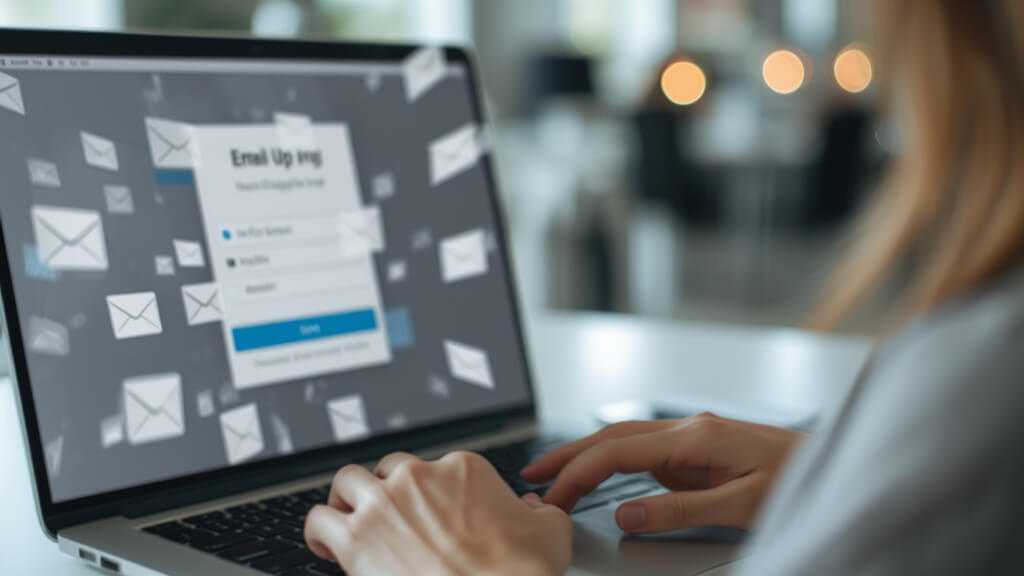
While signing up only takes a few seconds, the emails that follow may continue long after the trial has ended. Product updates, promotional campaigns, seasonal discounts, feature announcements, and marketing newsletters can accumulate over time, making your inbox harder to manage.
Why Companies Offer Free Trials
Free trials allow businesses to demonstrate the value of their products before asking customers to subscribe. They help users evaluate software, online services, learning platforms, and digital tools without immediate financial commitment.
For companies, the registration process also creates an opportunity to communicate with potential customers through email. Many organizations send onboarding guides, product tutorials, reminders before the trial expires, promotional offers, and future marketing campaigns.
The Long-Term Effect on Your Inbox
Trying one service may seem harmless. But after registering for dozens of free trials over several months, your inbox can become crowded with emails from services you no longer remember using.
This growing volume of messages can make it more difficult to notice important communications such as work emails, family messages, security alerts, or financial notifications.
Creating Better Registration Habits
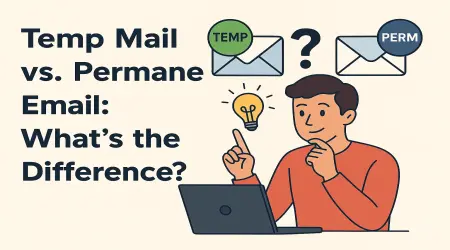
Many users have started separating temporary online registrations from their primary email accounts. Instead of sharing the same address with every website, they reserve their permanent inbox for services that require long-term communication.
For short-term registrations that only require account verification, services like Temp Mail can help reduce unnecessary exposure of a personal email address.
When Temporary Email Can Be Useful
- Testing new productivity software.
- Exploring AI applications.
- Downloading free design resources.
- Joining short-term educational platforms.
- Accessing limited-time online events.
- Trying software before purchasing.
Using a temporary email for these situations allows users to keep promotional communication separate from everyday personal correspondence.
When You Should Use Your Primary Email Instead
Some online accounts are designed for long-term use and require reliable access to password recovery, purchase history, receipts, and security notifications.
- Bank accounts.
- Online stores you regularly use.
- Government services.
- Healthcare providers.
- Professional subscriptions.
- Educational institutions.
For these accounts, your permanent email remains the best choice because future access may depend on it.
Managing Existing Trial Subscriptions
If your inbox already receives emails from services you no longer use, consider reviewing your subscriptions periodically. Unsubscribe from marketing emails where appropriate, close unused accounts, and remove services that no longer provide value.
Taking a few minutes every few months can significantly reduce inbox clutter and improve your overall digital organization.
Privacy Starts With Small Decisions
Online privacy is often built through everyday habits rather than complex technology. Choosing where to share your email address, enabling two-factor authentication, using unique passwords, and limiting unnecessary registrations all contribute to a safer online experience.
For many short-term registrations, a disposable email can help maintain better separation between temporary activity and long-term digital identity.
Frequently Asked Questions
Why do free trials require an email address?
Companies use email addresses to verify accounts, provide onboarding information, send reminders, and communicate with users during and after the trial period.
Can free trial emails continue after the trial ends?
Yes. Many companies continue sending newsletters, promotions, product updates, and special offers until you unsubscribe or close your account.
What is a temporary email?
A temporary email is a disposable email address designed for short-term registrations that do not require ongoing communication.
Should I use a temporary email for subscription services?
If you plan to continue using the service or may need password recovery in the future, a permanent email address is usually the better choice.
Can using Temp Mail reduce unwanted emails?
Using Temp Mail for temporary sign-ups may help reduce promotional messages arriving in your primary inbox.
How often should I review my email subscriptions?
Reviewing subscriptions every few months helps remove unnecessary newsletters and keeps your inbox easier to manage.
What are good email privacy habits?
Use strong passwords, enable two-factor authentication, avoid sharing your primary email unnecessarily, and use disposable email services when appropriate for short-term registrations.